SANDY RODRIGUEZ: TIERRA INSURGENTE| 4.9.26–6.28.26 | The Hispanic Society

From the moment European mapmakers transformed a continent into abstract, ownable space, taxonomy has served as a tool of power in the history of the Americas. By naming, claiming, and regulating territory, maps seek to define the terms by which life and memory are organized, determining which histories are protected, whose lives are valued, and which experiences are renderedvisible or invisible.
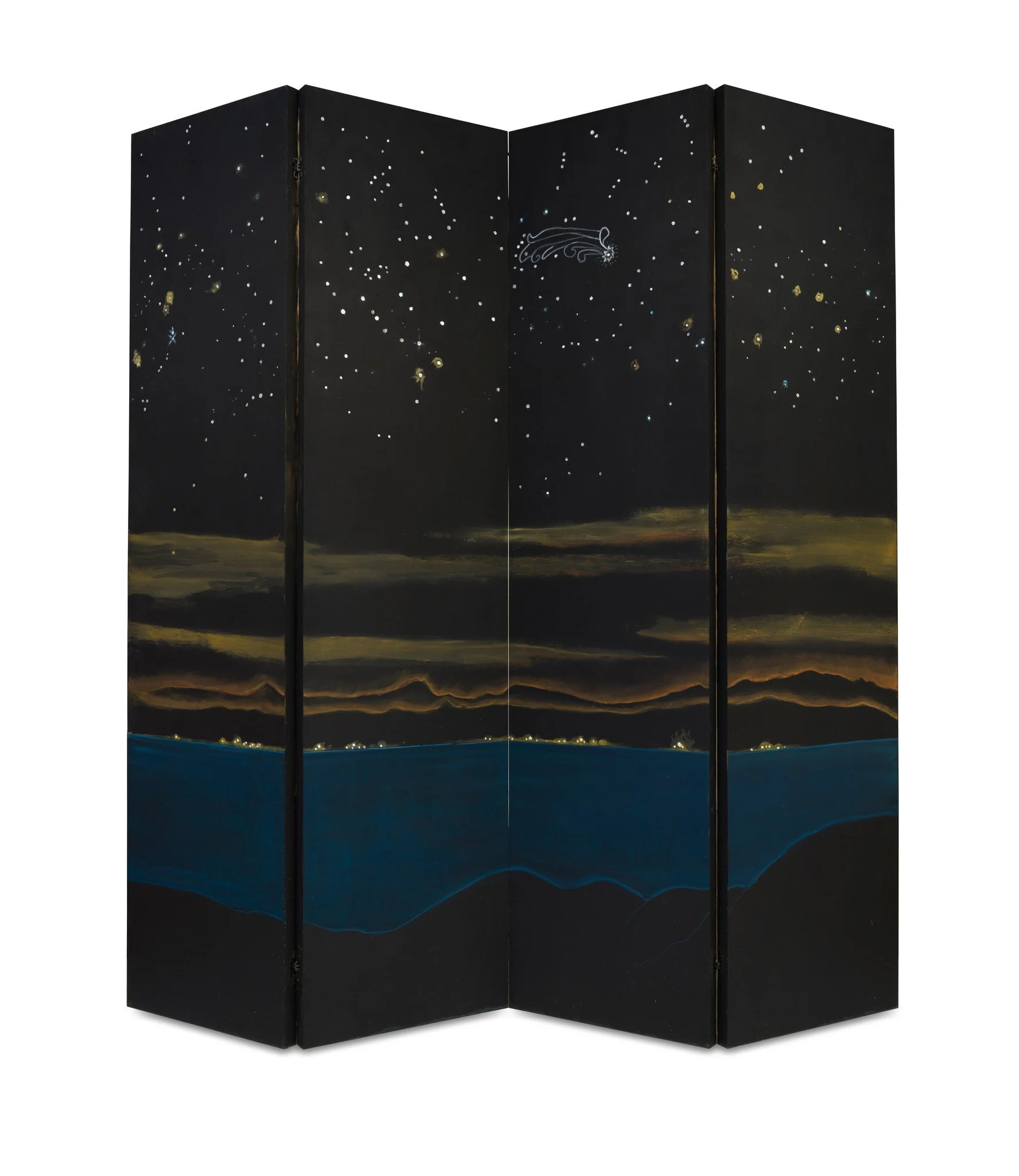
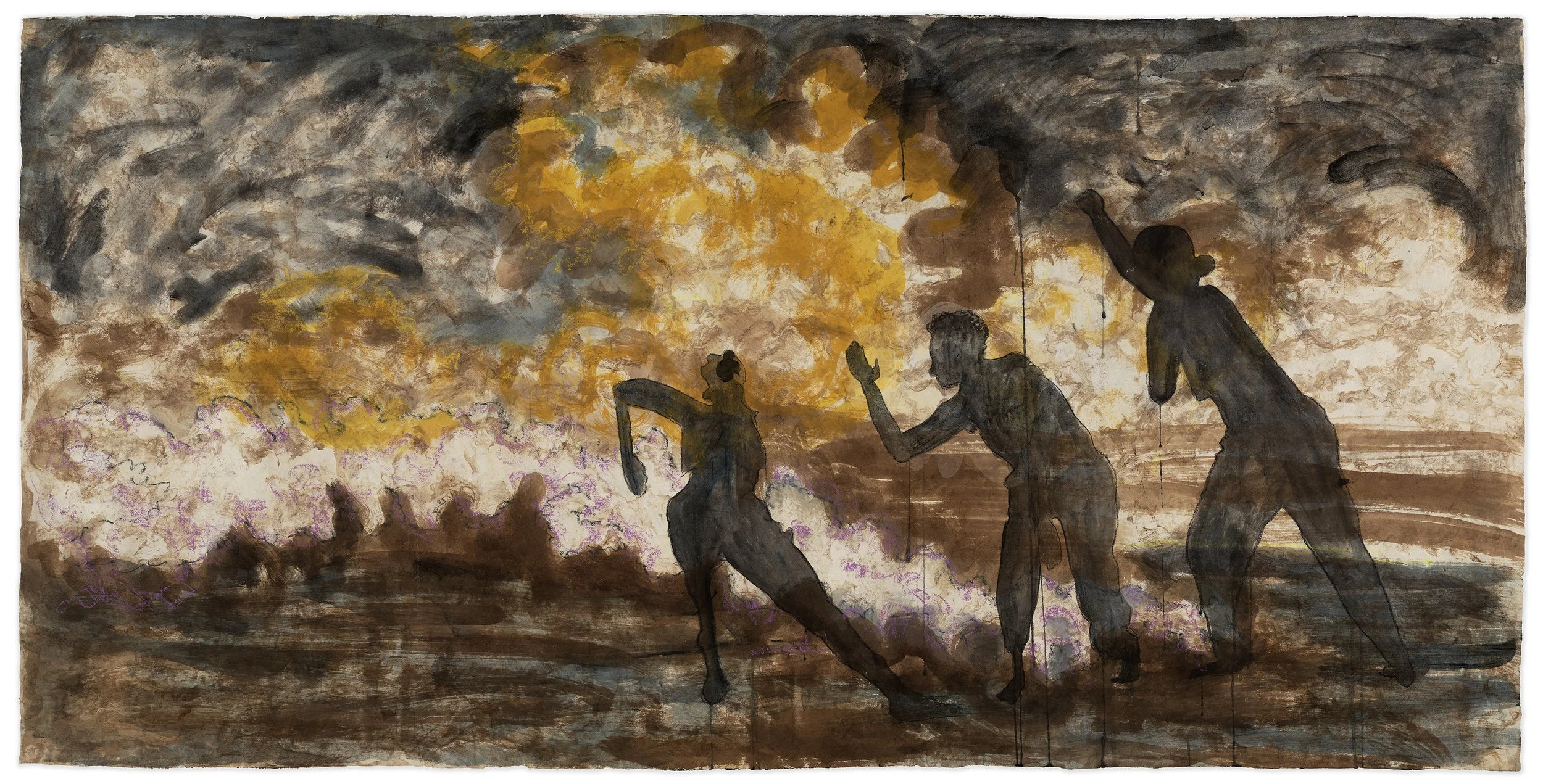
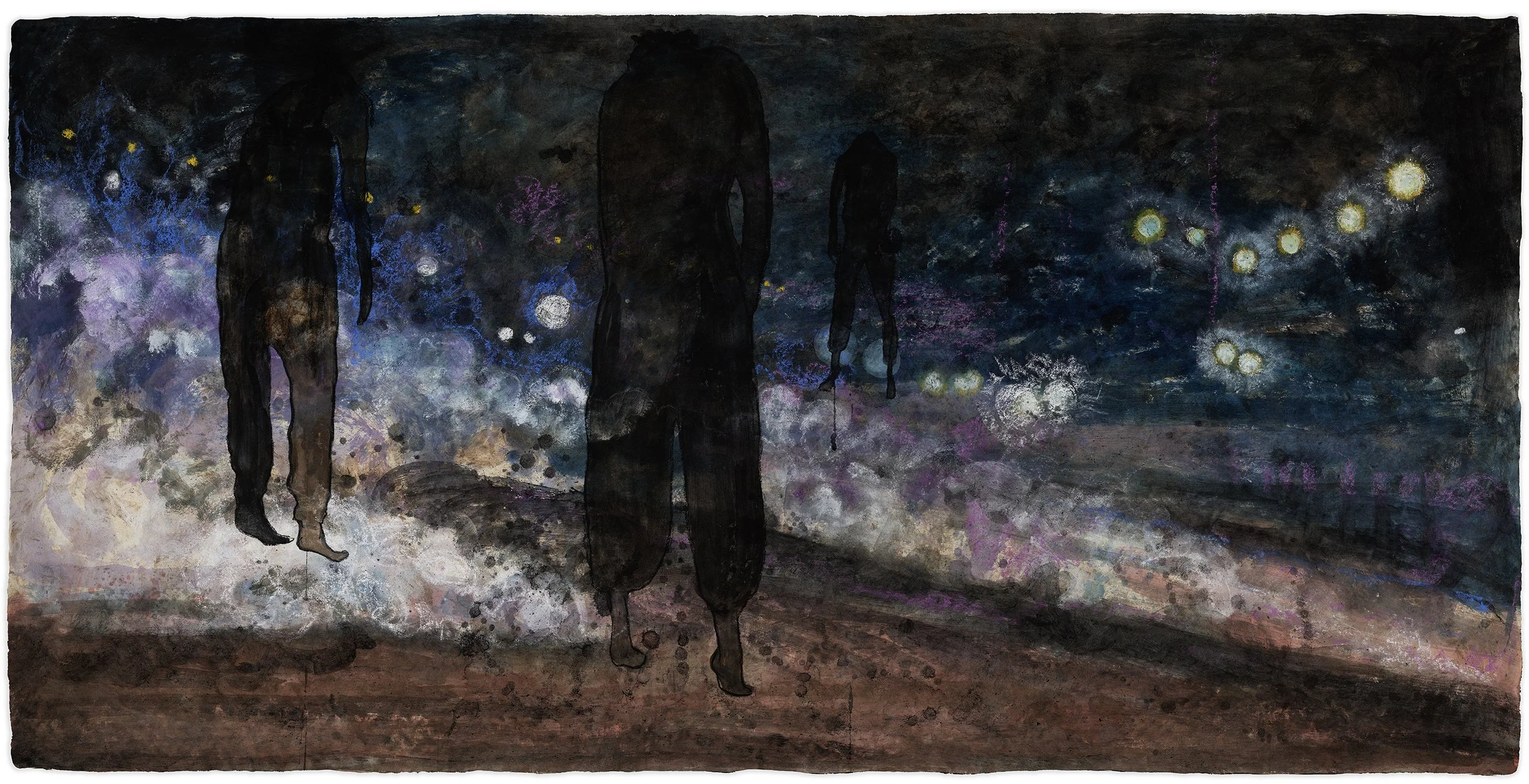
The work of Los Angeles-based Chicana artist Sandy Rodriguez challenges the assumption that visualizing space is a neutral act. Created on handmade amate bark paper with natural pigment and grounded in Indigenous Mesoamerican traditions of mapping, healing, and storytelling, her work insists that every image of land carries ethical weight. Across her practice, the earth emerges as a living archive—shaped by violence and care, erasure and survival. References to pandemic-era grief, Black Lives Matter demonstrations, migrant detention centers, and California wildfires appear alongside ancestral symbols, medicinal plants, and scenes of hip-hop dance. In Rodriguez’s paintings, codices, and maps, protest becomes a form of memory, and movement becomes a language of refusal.
Placed in dialogue with colonial-era cartography, allegories of the Americas, botanical books, and Indigenous manuscripts from the Hispanic Society’s collection, these works trace a history of conquest and resistance that continues to unfold. Far from belonging to the past, the logics embedded in these historic objects still shape contemporary policing, border regimes, and environmental sacrifice.
The exhibition title Tierra Insurgente positions the land as an active force. Here, earth is not property but a witness and participant in rebellion. Soil carries grief and care; rivers, plants, and winds remember what modern systems seek to erase. In these works, resistance is enacted not only by people in the streets, but by the land itself, holding their histories and bearing their struggle across time.